


















NEOBARS™ by Dura Composites

The Future of Steel-Free Reinforcement

Building a Durable Future with Sustainable Innovation

NEOBARS™ GFRP Rebar delivers high tensile strength with significantly lower weight and exceptional corrosion resistance — helping you build durable concrete structures with easier handling and reduced maintenance.

Get the best price

Tell us what you need. Our team will call you with a quote.


Approved by NHAI, IRC, MoRTH and BIS. ISO 9001:2015 certified manufacturer.

Our clients

Trusted & Used By

GFRP rebar · Reinforcing New India

The impacts

Why NEOBARS™

GFRP rebar · Reinforcing New India

Research-backed GFRP icon

Only

Research-backed GFRP in India

Validated by research at IIT & NIT

Lighter than steel icon

Up to9×

Lighter

Easier to lift, move and place than steel rebar

Stronger than steel icon

2×

Stronger

1100+ MPa tensile strength

Corrosion-proof icon

100%

Corrosion-proof

Won't rust, even in coastal and wet conditions

Lower carbon icon

70%

Lower carbon

A smaller footprint for greener construction

Lower cost icon

30%

Lower cost

Savings on material, transport and handling

Theft-free icon

100%

Theft-free

No scrap value, so nothing worth stealing on site

Labour and time savings icon

Up to60%

Labour & time savings

Lightweight bars mean faster work on site

Certifications & approvals

Certified Quality. Proven Safety.

Client stories

Trusted by builders across India

Hear it from the contractors, engineers and developers who build with NEOBARS™.

Applications

Where Can NEOBARS™ Be Used?

Where it's used

GFRP Applications

Roads
Bridges
Septic Tank
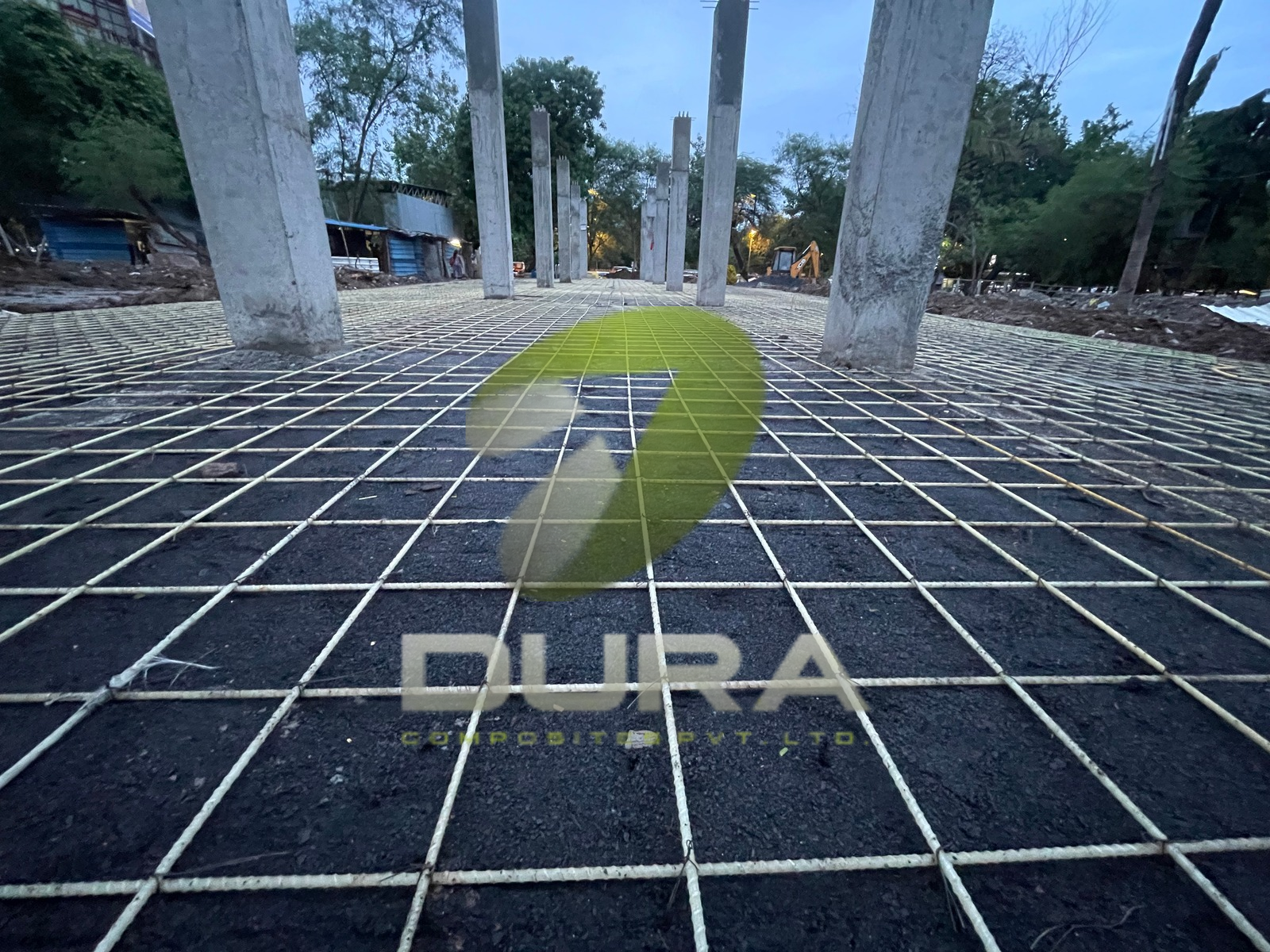
Foundations
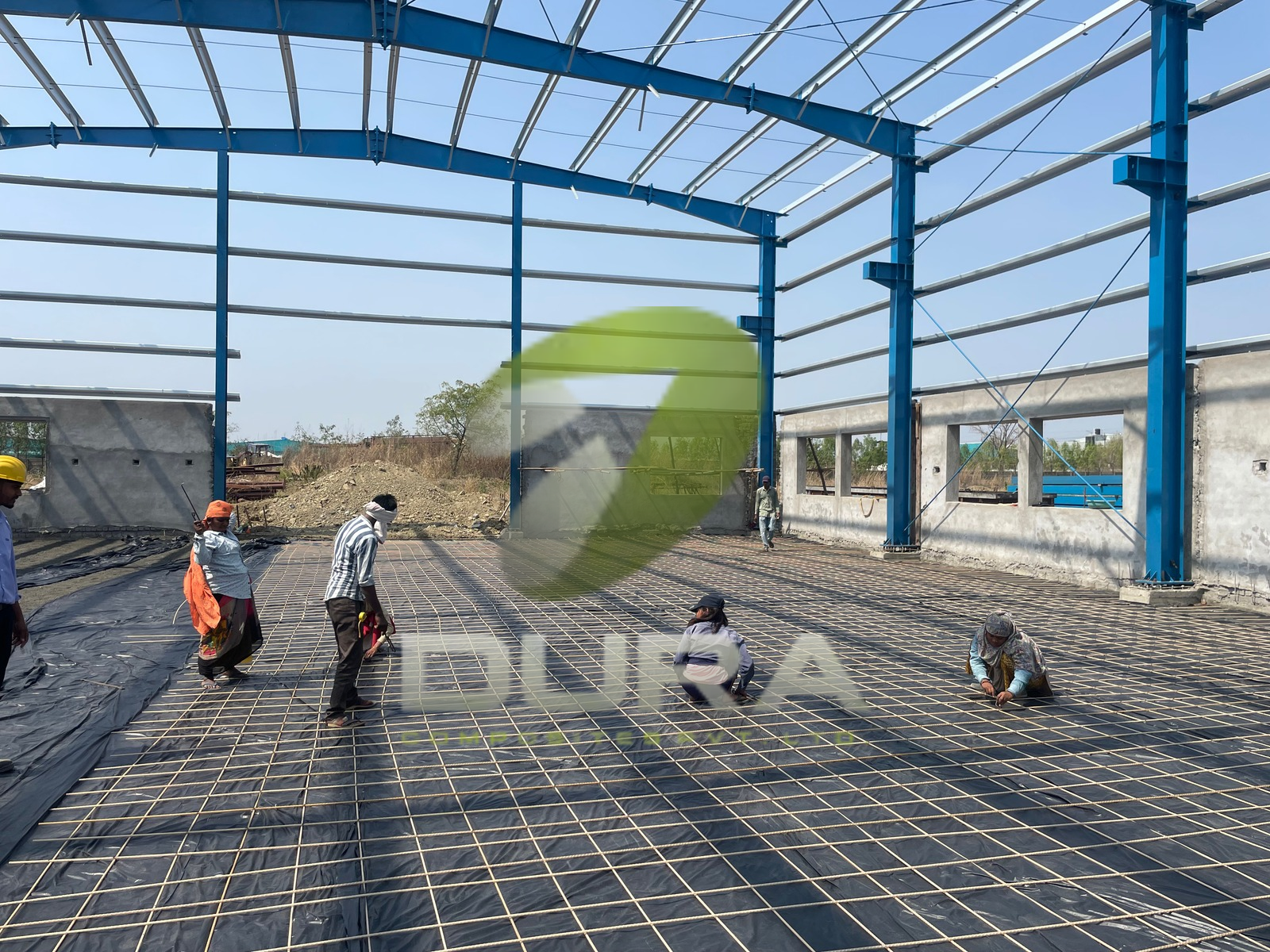
Industrial Floors
Swimming Pool
Warehouse
Parking Lot

Numbers That Define Our Success

9 Lakh+

Meters production capacity

35+

Happy clients

12.5 Lakh+

Sq. ft area

Explore the product

How to Use NEOBARS™ on Site

Open, cut and install. Your site team can use the same tools they already have.

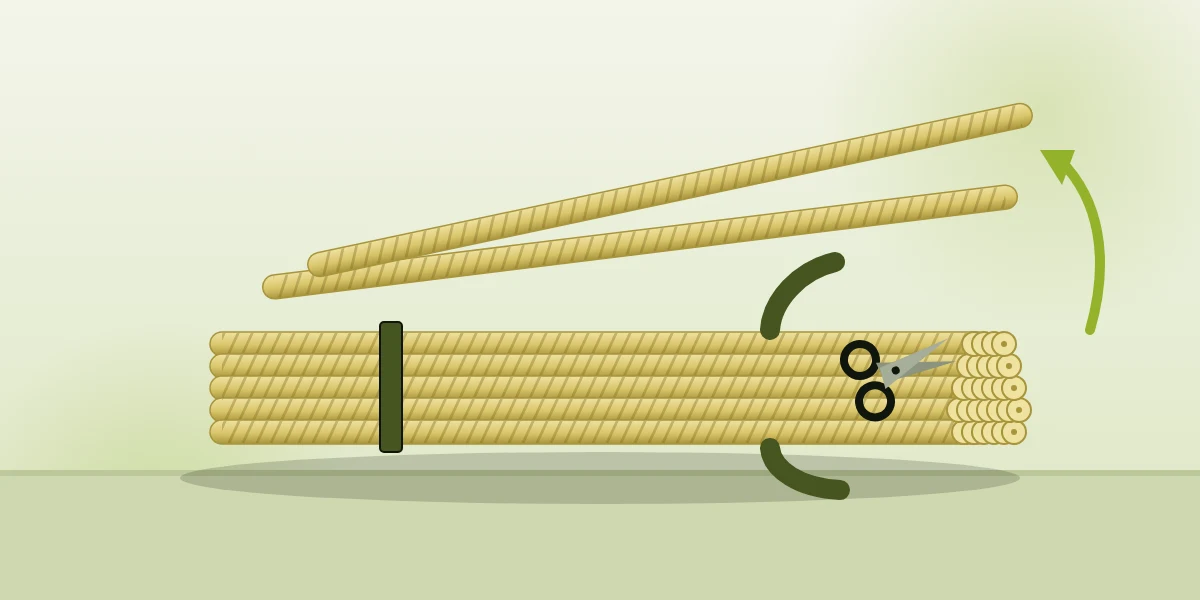
Opening a bundle of NEOBARS GFRP rebar on site
01

Open

  • Cut the bundle straps and lift the bars out. Don't drag or throw them.
  • Store bars flat, off the ground and covered from direct sun.
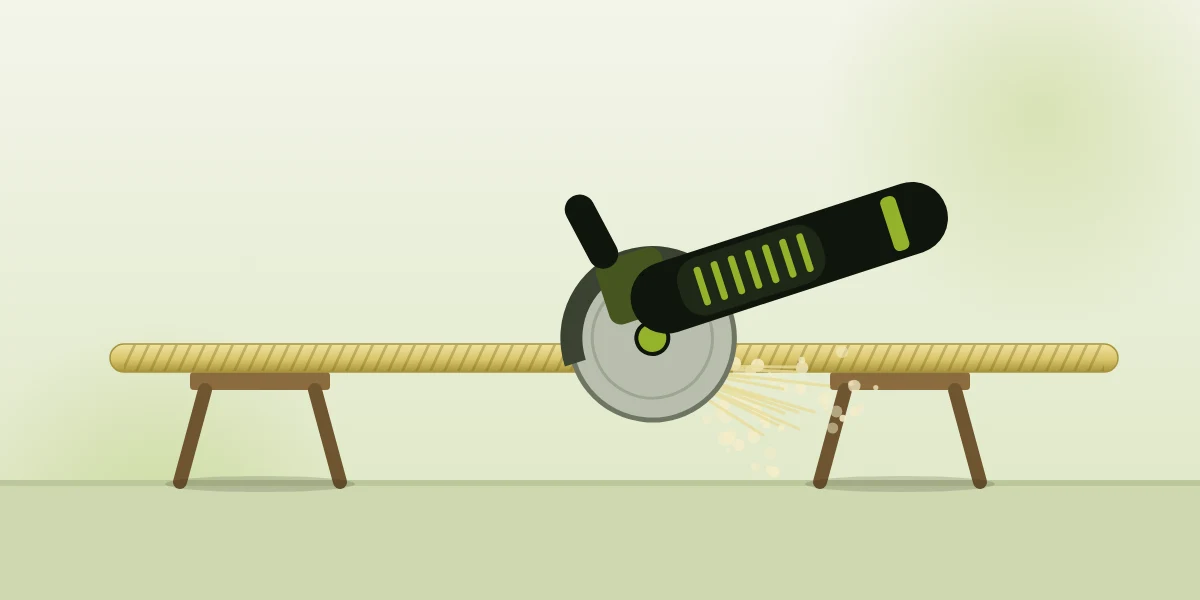
Cutting NEOBARS GFRP rebar with a grinder
02

Cut

  • Use an angle grinder or cut-off saw with a diamond or abrasive blade.
  • Avoid shear or bolt cutters. They crush the fibres at the end.
  • Wear gloves, goggles and a dust mask while cutting.
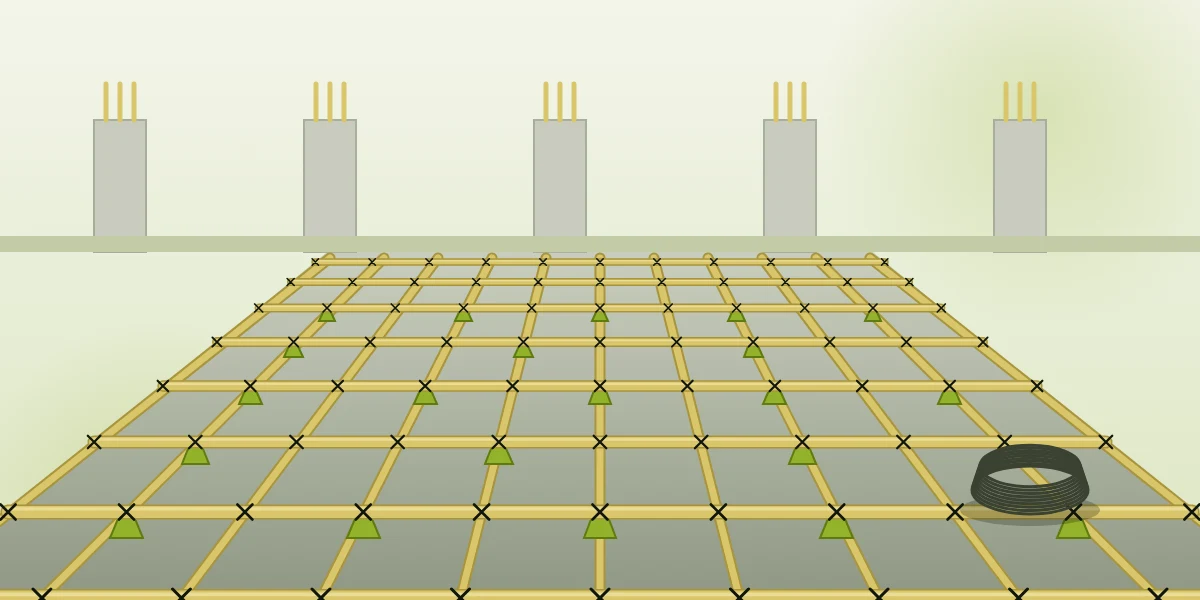
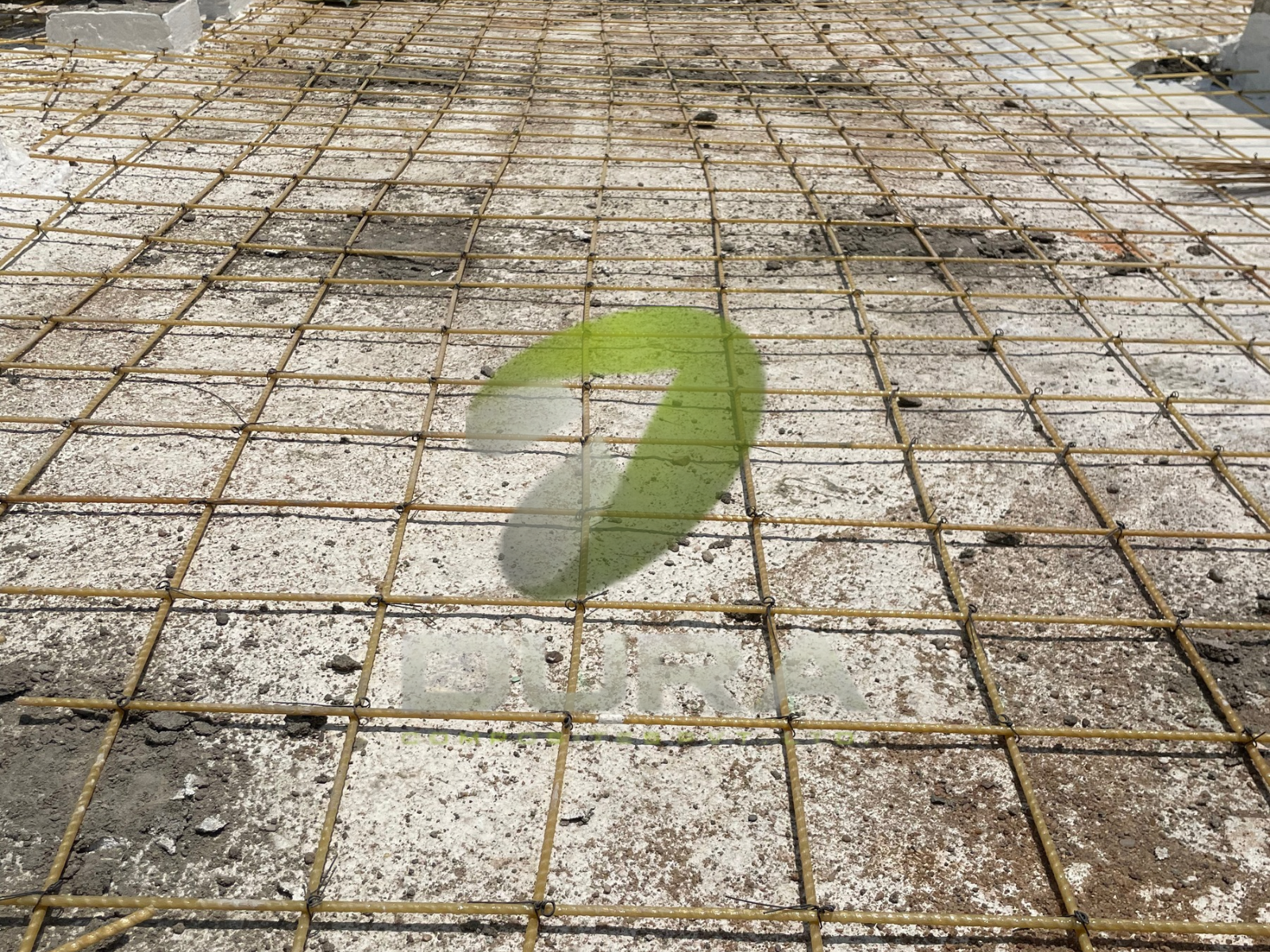
NEOBARS GFRP rebar tied and placed on bar chairs before concreting
03

Install

  • Place bars on chairs or spacers at the cover shown in your drawings.
  • Tie joints with plastic-coated wire or nylon ties.
  • Order bends and hooks from the factory. GFRP bars can't be bent or heated on site.

Need help on site?

Ask our technical team

FAQ

Frequently Asked Questions

Common questions from engineers and contractors before they switch from steel to NEOBARS™.

Still have a question?

Send us your requirement and our technical team will get back to you with a direct answer.

Ask our technical team
What is NEOBARS?

NEOBARS is a Glass Fibre Reinforced Polymer (GFRP) reinforcing bar — high-strength glass fibres bound in a polymer resin matrix and pultruded into a ribbed bar. It's a direct, corrosion-proof, lightweight, lower-carbon alternative to conventional TMT steel rebar for reinforcing concrete.

What is NEOBARS made of?

Continuous glass fibre roving saturated in a thermoset resin and cured under tension, then given a bonded ribbed/sand surface for grip with concrete. There is no steel and no metal anywhere in the bar — which is exactly why it cannot rust.

How is NEOBARS different from steel (TMT) rebar?

It doesn't corrode, it's roughly 4× lighter, and it has higher tensile strength than Fe550 steel — but it behaves differently in design because it has a lower modulus of elasticity and doesn't yield like steel (it's linear-elastic to failure). That's not a weakness; it just means it's designed differently, using GFRP codes rather than steel rules of thumb.

Is GFRP rebar actually proven, or is it experimental?

It's proven. GFRP rebar has been used in bridges, marine works, tunnels, water and industrial structures worldwide for over three decades, and India now has its own standards for it (IS 18255:2023, IS 18256:2023, IRC 137:2022). NEOBARS is engineered to those Indian standards and to the international ACI 440 and ASTM D7957 frameworks.

What sizes and lengths does NEOBARS come in?

Straight bars in 4–32 mm diameters, plus factory-made bent shapes and mesh. 4–12 mm is supplied in coils of 50–100 m for custom cut lengths (saving lap/overlap wastage); 16–32 mm is supplied in straight 12 m lengths or custom lengths.

Is NEOBARS as strong as steel?

On tensile strength, stronger — NEOBARS delivers ≥1000 MPa tensile strength, roughly double Fe550 TMT steel. The difference is in stiffness: GFRP has a lower modulus of elasticity (NEOBARS ≥50 GPa), so designs are checked for deflection and crack width, not yield. In the applications we support, this is fully accounted for in design.

Which residential and building applications do you recommend NEOBARS for?

Across residential and township projects, we recommend NEOBARS for:

  • Concrete roads & walkways
  • Plinth & grade slabs
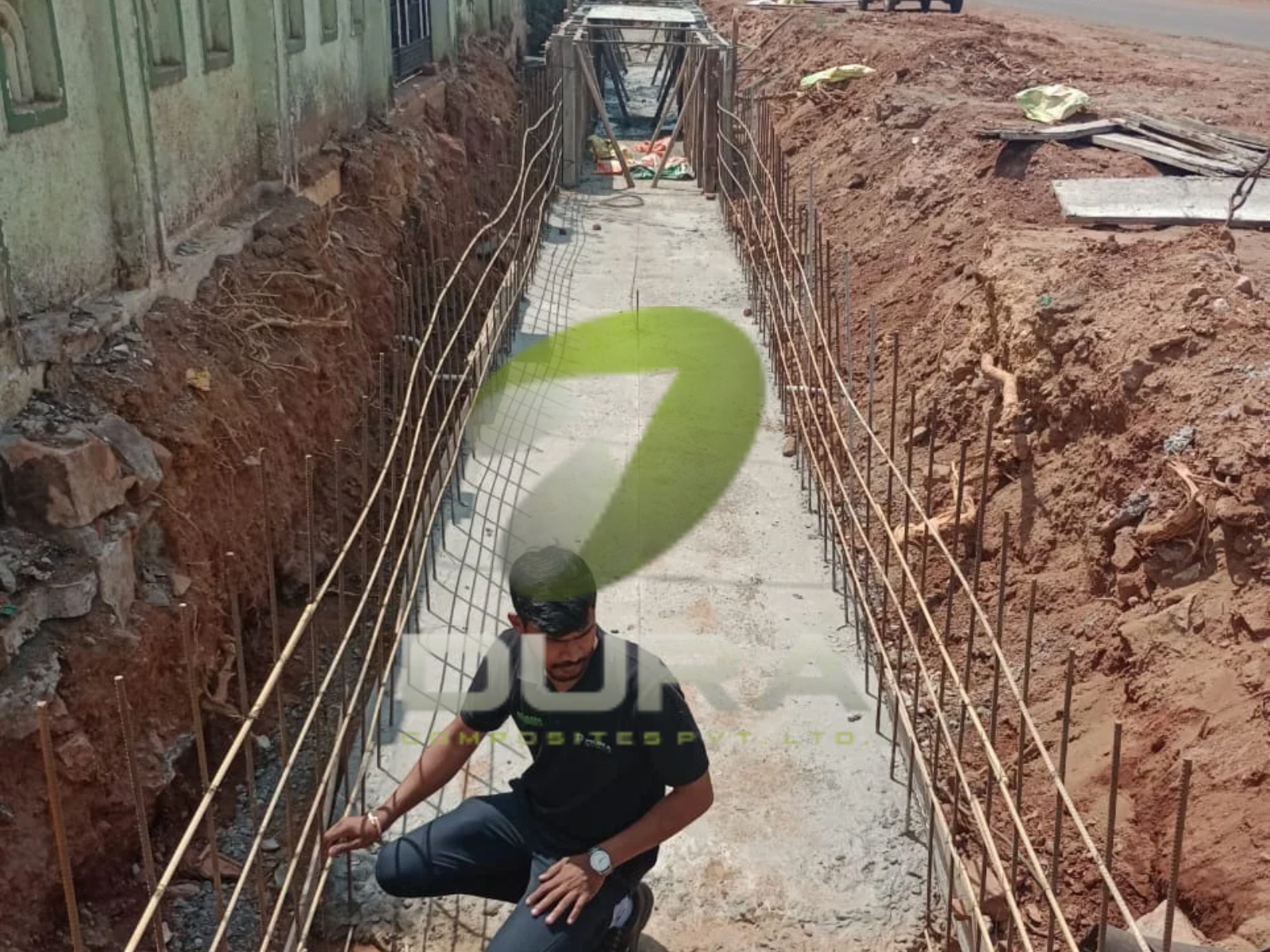
  • Retaining & compound walls
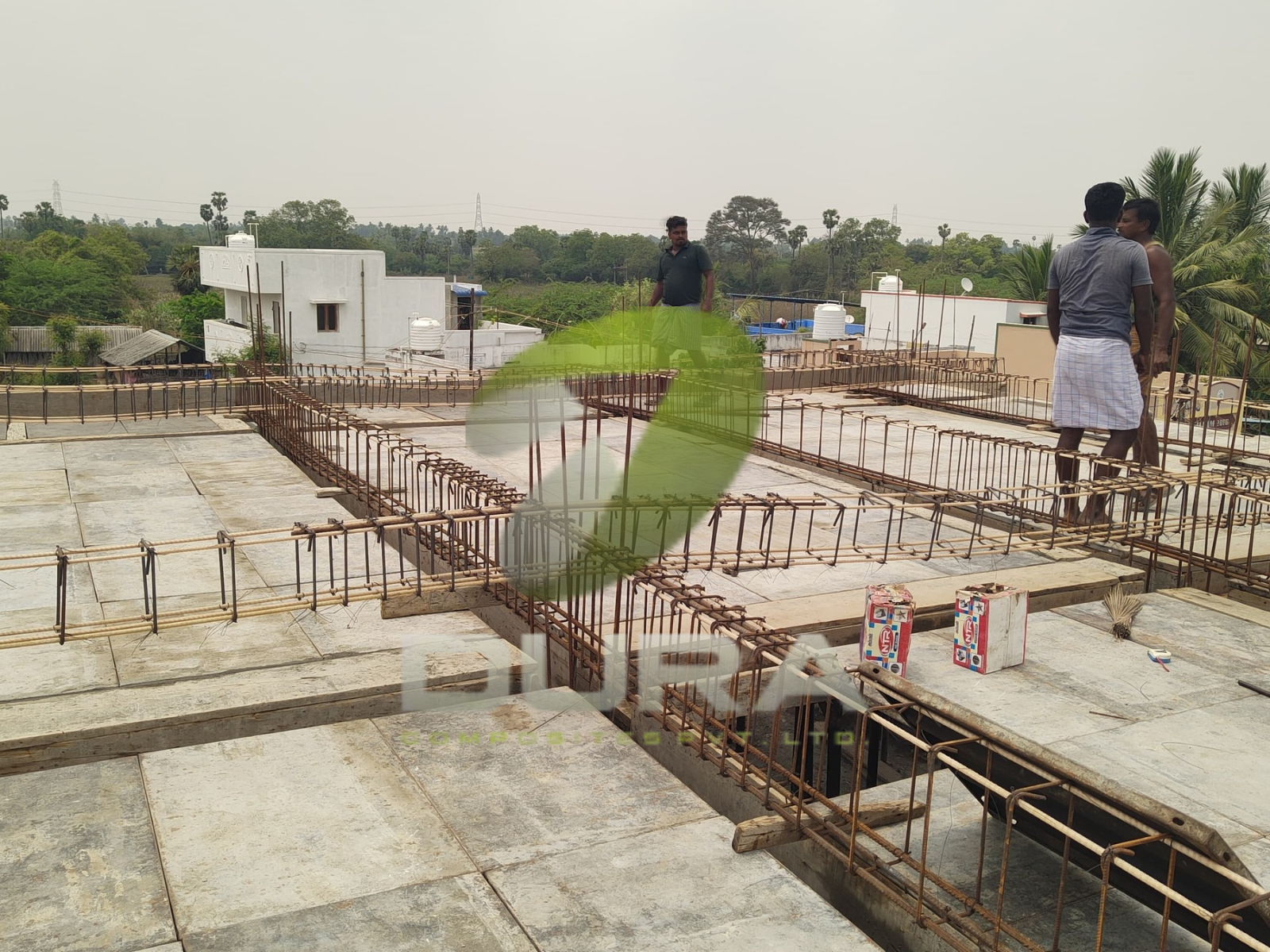
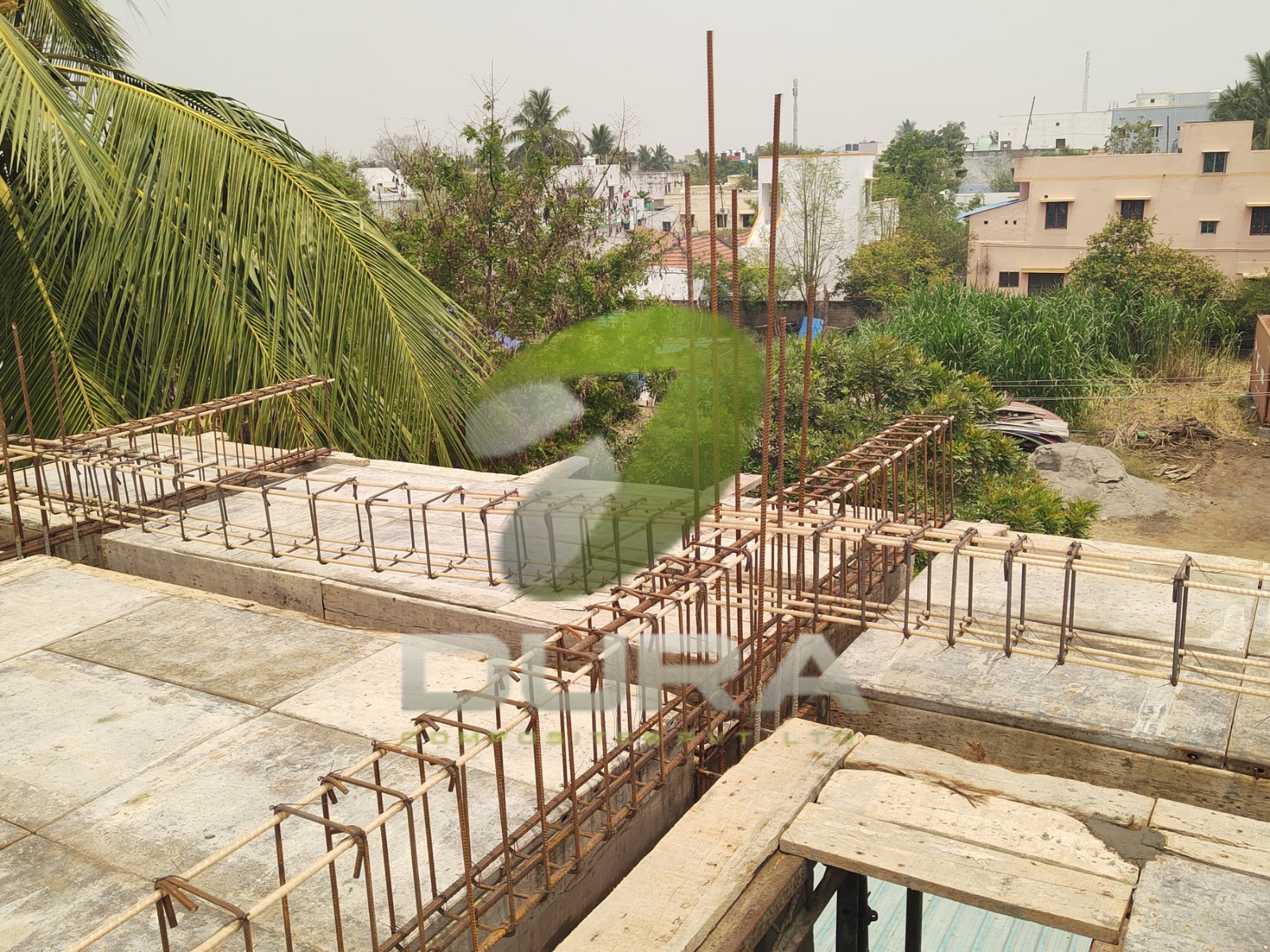
  • Deck slabs & conventional slabs
  • Foundation beams, columns & slabs
  • Mivan / alu-form construction
  • Parking lots
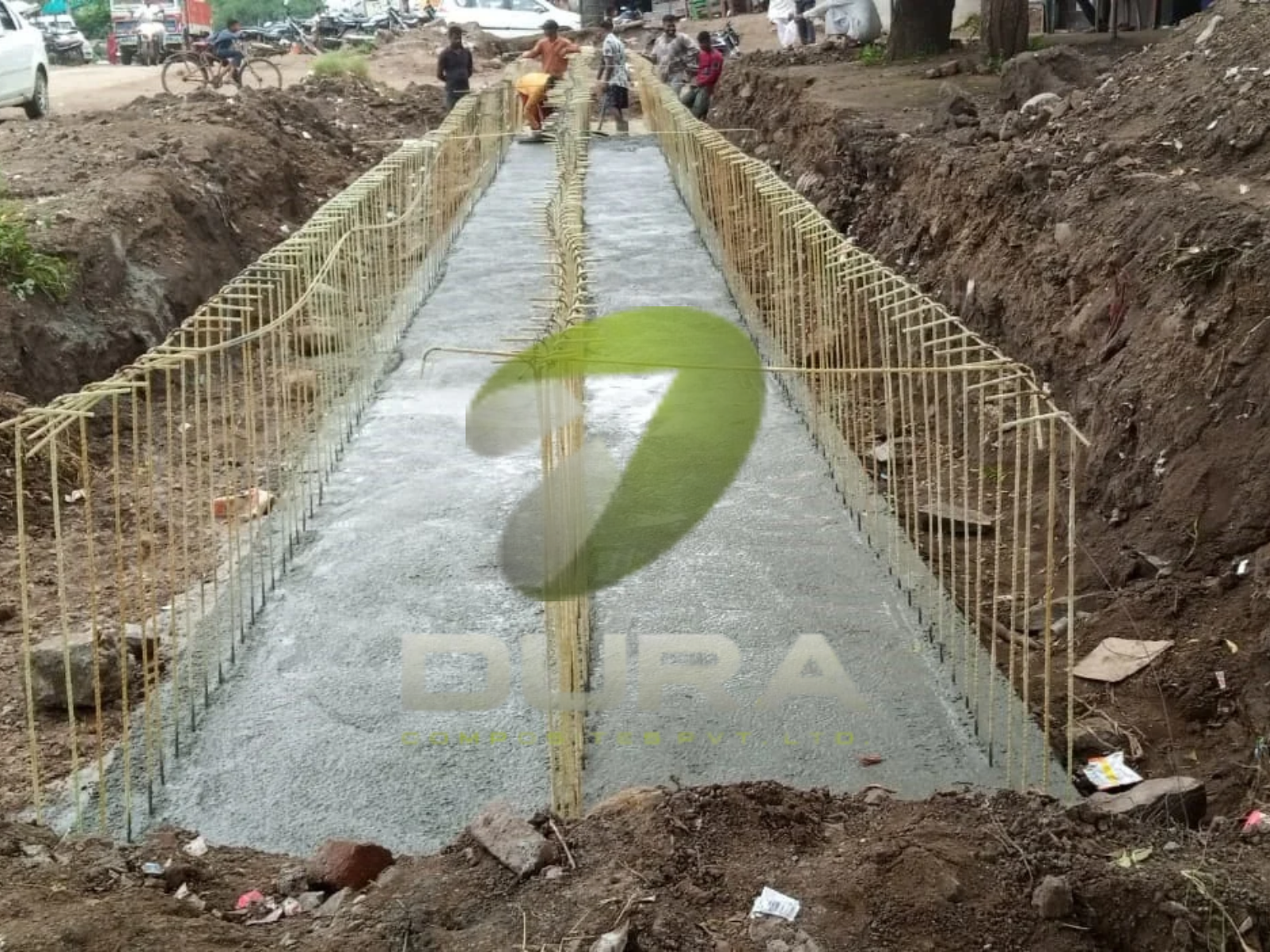
  • Drainage, trenches & septic tanks
  • Swimming pools
  • Sports areas (courts & arenas)
  • Podium & landscape flooring
  • Water treatment plants
  • Non-structural elements — partition & parapet walls
  • Planter beds & decorative structural elements
  • Hard-scaping — fountains, lawns, gardens, sport courts
  • Terrace decks & club houses
Which standards is NEOBARS made to?

Manufactured in compliance with IS 18256:2023 (with reference to IS 18255:2023 and IRC 137:2022 for Indian practice), and engineered to the international ACI 440 and ASTM D7957 frameworks. Our BIS licence for GFRP rebar is currently applied for and in process.

Who validates NEOBARS' engineering?

NEOBARS is developed with a first-in-segment research collaboration with IIT-Madras (IITM) and NIT-Trichy (NITT) — India's leading institutions in this space. That academic partnership underpins our design basis and testing methodology, and it's a credibility layer no other Indian GFRP brand currently offers.

Do you support contractors and engineers through the project?

Yes — from design optimisation and substitution verification, through bar-bending schedules and site guidance, to compliance documentation. Our team (and design guide) is built to make switching from steel low-friction.

Scroll to Top